Stretch Every Gallon: Smart Fuel Strategies for RVers, Road Trippers & Vanlifers
The Smart RVer’s Guide to Beating High Gas Prices
High prices at the pump don't have to put the brakes on your road trip dreams. If you are an RVer, vanlifer, or dedicated road tripper, the secret to outsmarting gas prices isn’t staying home; it’s changing how you travel.
1. Master the Art of the Gas Price App.
This one pays off immediately. Apps like GasBuddy, Waze, and AAA TripTik crowdsource real-time fuel prices along your route so you never overpay out of convenience.
FMCA Membership: Beyond the community benefits, a Family Motor Coach Association membership gives you access to significant, exclusive fuel discounts at Pilot and Flying J stations.
Good Sam Rewards: A classic staple for a reason. A Good Sam membership offers per-gallon fuel discounts at select stations (like Pilot Flying J) directly tied to their digital app.
Pro tips:
- Fill up in smaller towns just off the interstate; prices are often 15–30 cents cheaper per gallon than highway exits.
- Cross-state lines strategically. Some states consistently have lower fuel taxes and prices.
- Warehouse club fuel (Costco, Sam's Club) regularly runs 10–25 cents below market rate.
2. Slow Down and Watch Your MPG Climb.
Aerodynamic drag increases exponentially with speed. Dropping from 75 mph to 65 mph can improve fuel economy by 10–15%, a meaningful difference when you're hauling a rig.
RVers and vanlifers especially feel this. A Class C at 75 mph drinks significantly more than one cruising at 60. Allow extra time in your itinerary to enjoy the scenery. The road is the destination anyway.
3. Maintain Your Vehicle Like a Pro.
A poorly maintained engine is a fuel-wasting engine. These basics have a direct impact on your MPG:
- Tire pressure: Under-inflated tires can reduce fuel economy by up to 3% per PSI below recommended. Check cold pressure every morning.
- Air filter: A clogged air filter restricts airflow and hurts combustion efficiency.
- Spark plugs: Worn plugs cause incomplete combustion — wasted fuel.
- Engine oil: Use the manufacturer-recommended viscosity. Modern synthetic oils reduce internal friction.
For RVs, add wheel bearing inspection, transmission fluid, and fuel injector condition to your checklist.
4. Plan Routes Around Terrain.
Elevation gain is a fuel budget's quiet enemy. A route through mountain passes might be more scenic, but it can cost you significantly in fuel versus a flatter alternative.
Use Google Maps elevation data or tools like Furkot (a favorite trip planner in the RV community) to compare route profiles. Sometimes the flatter route is also the faster and cheaper one.
Also, plan to drive during cooler parts of the day; heat increases tire rolling resistance and forces your AC to work harder.
5. Reduce Your Load (Literally).
Every 100 lbs of unnecessary weight costs roughly 1–2% in fuel economy. For road trippers and vanlifers, this is easy money.
Audit your rig before each trip:
- Do you actually need that second camp chair?
- How much water are you carrying? Top off closer to your destination.
- Is your gear bay carrying equipment you haven't used in three trips?
For RVers, full freshwater tanks weigh hundreds of pounds. Carry what you need, not what you might need.
6. Use Fuel Rewards Programs — Consistently.
Free money in the form of fuel discounts exists. You just have to use it.
- Upside (formerly GetUpside): Cash back at gas stations nationwide.
- Fuel rewards credit cards: Cards like the PenFed Platinum Rewards Visa or Shell/Fuel Rewards credit cards offer ongoing per-gallon discounts.
- Grocery store fuel points: Kroger, Safeway/Albertsons, and other chains let you convert grocery spending into significant per-gallon discounts. This is especially useful for long-term road trippers who are buying food anyway.
- Pilot Flying J and Love's rewards: Essential for RVers. Points accumulate fast when you're fueling a 40-gallon tank.
Stack these where possible. A rewards credit card used at a Kroger fuel center, combined with earned points, can cut your cost by 30–50 cents per gallon.
7. Optimize Your Driving Habits.
Aggressive driving, hard acceleration, and late braking can cut fuel economy by 15–40% in stop-and-go conditions. Smooth, anticipatory driving is genuinely one of the highest-ROI habits you can build.
- Coast down hills in gear rather than braking early.
- Look ahead and time traffic lights to avoid full stops.
- Use cruise control on long highway stretches to maintain steady speed.
- If your vehicle has an Eco mode, use it on flat terrain.
8. Embrace the Slow Travel Mindset.
The most underrated fuel-saving strategy: drive less.
Stay longer in each destination. One well-planned week in a National Forest or a coastal town beats three rushed weekend hops. You use far less fuel, enjoy deeper experiences, and actually save money on campsite fees, food, and wear-and-tear.
Slow travel isn't a compromise; it's what most people fall in love with after their first long-term trip.
9. Time Your Fill-Ups.
Fuel is denser when it's cold. Filling up in the early morning (before the day heats up) means you're getting slightly more energy per gallon. In practice, the difference is modest, but combined with other habits, it adds up.
Also, avoid filling up on Thursdays and Fridays, when demand tends to push prices up ahead of the weekend. Monday and Tuesday typically see lower prices.
10. Consider Fuel Type Discipline for Diesel Rigs.
If you're driving a diesel RV or van, truck stop diesel pricing varies significantly. Diesel apps like TruckPark and the diesel filter in GasBuddy help you find competitive pricing.
Also watch for Bio-diesel blends (B5, B20), they're often priced lower and perform well in warmer climates. Check your manufacturer's specs before using higher bio blends.
11. Route Planning & Fuel Estimation.
RV Life Trip Wizard (rvlife.com): This is the gold standard for RV routing. It doesn't just show you the way; it factors in your specific rig's height, weight, and MPG to estimate your total fuel costs and map out the most efficient fuel stops along your route.
Campendium & The Dyrt: While these are premier campsite-finding apps, they are incredible for fuel efficiency. Use them to find highly-rated spots closer to home or clustered together, minimizing your total highway miles.
12. The ultimate Fuel Saver Hack!
Park Once, Save More.
RV travel can still be one of the most affordable and rewarding ways to vacation, if you travel smarter. The secret? Drive less once you arrive!
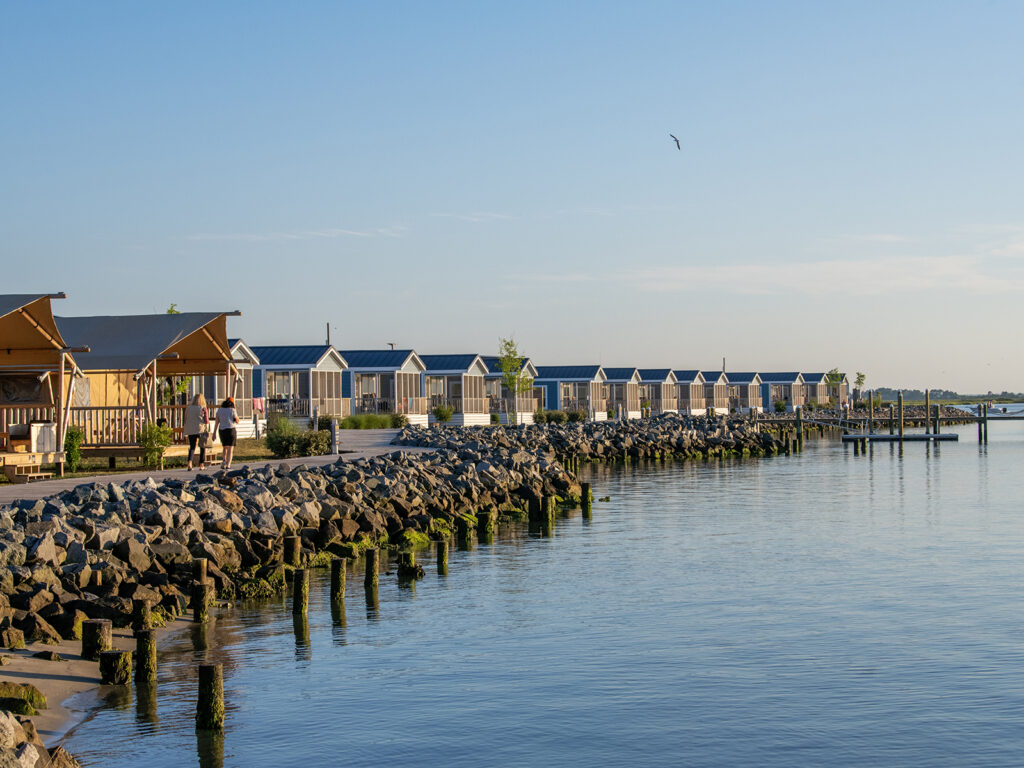
Choose destinations where the vacation starts the moment you park.
Resorts with pools, activities, restaurants, entertainment, hiking, playgrounds, fishing, live music, or on-site family events reduce the need to constantly get back behind the wheel. Less driving means:
- Lower fuel costs
- Less stress
- Fewer parking headaches
- More time actually relaxing
For many RV travelers, the cheapest mile is the one you never drive.
The Bottom Line
Fuel costs are real, but they don't have to sideline your adventure. A combination of smarter routing, steady driving habits, consistent vehicle maintenance, and a few rewards programs can meaningfully reduce what you spend at the pump.
Don't park the dream, fuel smarter. Whether you're rolling in a Class A, a converted Sprinter, or a fully loaded SUV with a rooftop tent, I know these strategies will keep your wheels turning and more money in your pocket.
Happy trails. Keep the tank full and the itinerary flexible.
Where will you stay this summer?
RV fuel savings calculator — enter your trip details to see estimated fuel cost and potential park-once savings
| Daily round trip | Gallons used | Total cost | vs. park once |
|---|