
5 Ways To Camp Sustainably
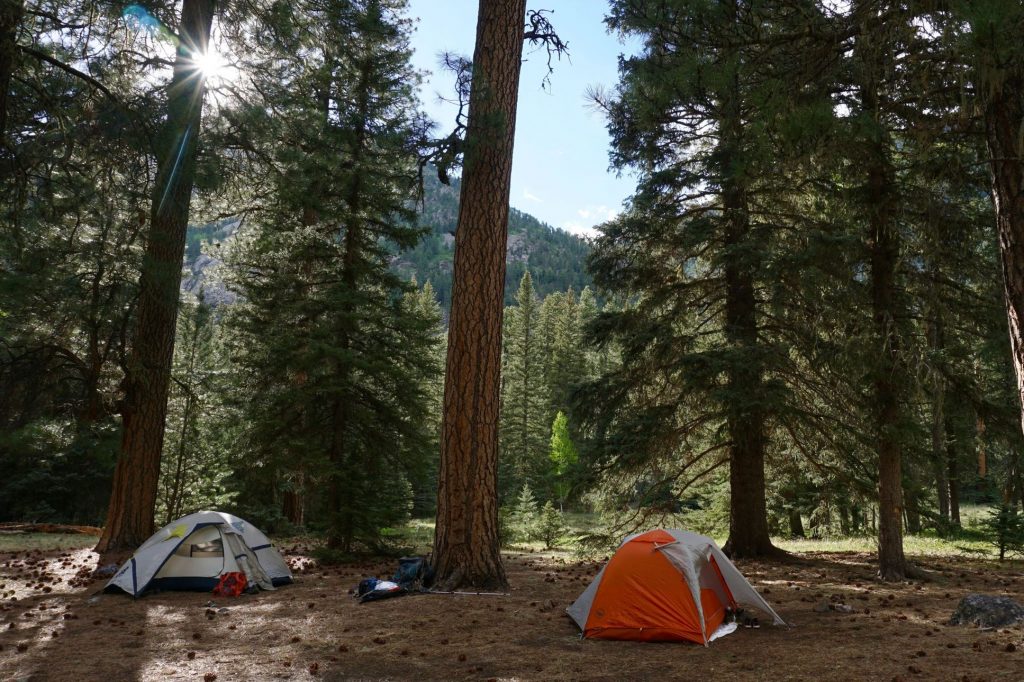
Camping has become an increasingly popular activity that allows us to connect with nature, relax, and unwind from our busy lives. However, as our awareness of environmental issues grows, it's important to consider the impact of our camping activities on the planet. Sustainable camping is a way to enjoy the great outdoors while minimizing our ecological footprint. In this forum, we will explore the beauty of sustainable camping and share five tips for eco-friendly outdoor adventures.
1. Choose Sustainable Camping Gear
Choosing sustainable camping gear is a crucial aspect of camping in an eco-friendly manner. Search for gear made from recycled or organic materials. Doing so will help reduce the demand for new resources and decrease waste. Think about the durability and longevity of the gear. Choose items that can be used for multiple trips and avoid single-use items that contribute to landfill waste.
2. Practice “Leave No Trace” Principles
"Leave No Trace" is a set of ethical principles that encourages campers to minimize their impact on the environment. These principles must be followed: Pack out all trash. Properly dispose of waste. Camp in established campsites. Stay on designated trails. Respect wildlife and other campers. By following these principles, you can help preserve the natural beauty of the camping area and minimize your ecological impact.
3. Conserve Water and Energy
Conserving water and energy are a valuable way to practice sustainable camping. Turn off taps when not in use, and collect rainwater for washing dishes or watering plants. Minimize the use of disposable batteries and reduce waste when camping. Use rechargeable batteries or solar-powered devices. Remember to turn off lights and appliances when not in use, and follow local safety regulations when using a campfire.
4. Find an Established Campground with Rules and Regulations
It's essential to find a campground that has established set rules and regulations in place for its campers. Established campgrounds often offer designated campsites with fire rings, picnic tables, and bathroom facilities. This can help you reduce your environmental impact and minimize your ecological footprint. Using established facilities can prevent damage to vegetation, soil erosion, and contamination of water sources.
5. Respect Wildlife and Biodiversity
One of the joys of camping is encountering wildlife in their natural habitats. It is vital to respect wildlife and biodiversity. This can be done by observing animals from a safe distance, not feeding them, and not disrupting their natural habitats. Avoid trampling on vegetation and stay on designated trails to protect local plants. Be respectful of the environment by leaving the camping area as you found it.
Implementing these five practices can effectively sow the seeds for the coming generations of campers. The techniques we adopt presently will endure in the future. It's our great responsibility to honor the environment we live in. By practicing these tips, not only can you enjoy your camping experience, but also help conserve the surrounding nature.